
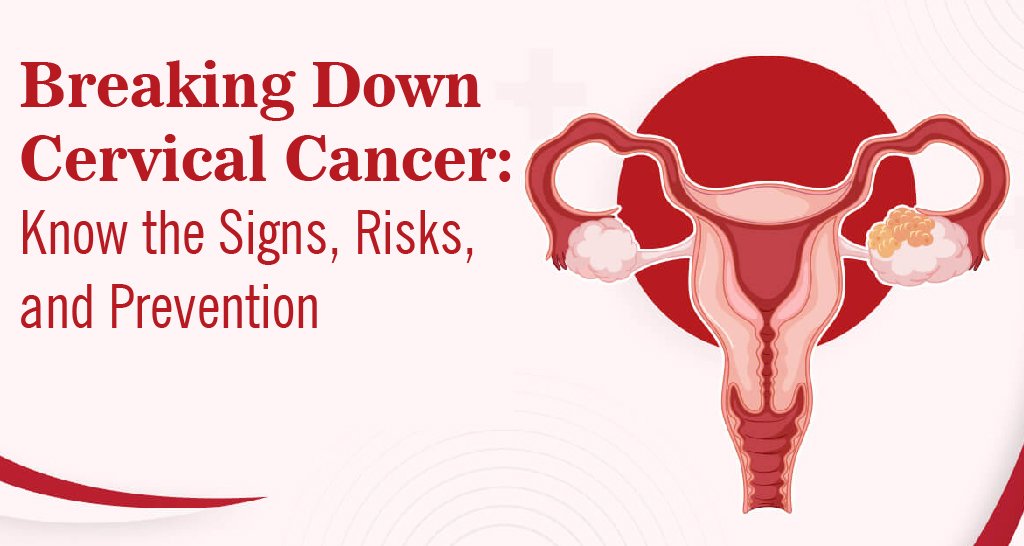
Cervical cancer is the 4th most prevalent cancer in women worldwide, a major public health issue mainly for low and middle-income nations. While it is highly preventable and treatable through vaccination, screening, and early intervention, cervical cancer has become a leading cause of cancer death in females. According to data, lamost 350.000 people died in 2022, mainly in areas where public health services were not accessible.
Since it is ‘World Cancer Day’ today, it is the perfect time to raise awareness among people. Cervical cancer begins in the cervix, the lower part of the uterus that extends into the vagina. Since it is treatable if caught early. With the modern screening tests and immunizations, women can escape this illness altogether.
What is Cervical cancer: What is it?
Cervical cancer arises when the cells lining the cervix become aberrant and multiply in an uncontrolled way. If not treated, they may eventually grow into a tumor and spread to other parts of the body. Cervical cancer develops slowly and starts with a disorder called dysplasia, in which precancer cells are discovered in the cervix.
Who can Get Cervical Cancer?
Each year, over 66,0000 women globally get cervical cancer and more than 35,00,00 women die from the disease.
Cervical cancer usually happen women between the ages of 30 and 50. It is not limited to this age range,
- A woman’s risk is increased by several variables, including:
- Having sex before the age of 18
- Smoking
- Weakened immune system due to HIV, AIDS, or other illnesses
- Having a Human Papillomavirus (HPV) infection
- Multiple full-term pregnancies
- The family has a history of cervical cancer.
- Long-term usage of contraceptives
Signs and Symptoms of Cervical Cancer include:
Some common symptoms include abnormal vaginal bleeding, such as bleeding and spotting in between periods, bleeding after sex, bleeding after menopause, and longer or heavier than normal periods.
Unusual vaginal discharge that might happen after menopause, in between periods, or contain some blood.
Pain during sex
Pelvic pain
There are five other critical warning signs of cervical cancer that very few women perceive as cervical cancer symptoms.
Vaginal burning or itching
Pain in the abdomen or low back
Frequent urinating
Bloating in the abdomen
How to Prevent Cervical Cancer?
Be careful and get regular checkups to prevent cervical cancer.
If you have contracted the human papillomavirus (HPV), your risk of developing cervical cancer is significantly increased. HPV spread during sexual intercourse, close skin-to-skin contact is how is spread.
To avoid this, obtain the HPV vaccine and have frequent cervical screenings to prevent catching the virus and notice it in its early stages if you do have it.
Maintaining a healthy lifestyle can lower your risk through routine tests and HPV immunizations. This includes giving up smoking, engaging in safe sexual behavior to prevent STIs like chlamydia, and eating a diet high in nutrients.
Cervical Cancer Treatment Options
Testing is done to determine whether cancer is present if a screening test presents an aberrant result. Once cervical cancer is detected, the stage must then be determined, and treatment begins.
The course of treatment varies depending on the cancer’s stage and may include:
- Surgery: In early-stage cancer, the damaged portion of the cervix or the whole uterus, in certain circumstances, can be removed.
- Radiation Therapy: High-energy beams are deployed to eliminate cancer cells.
- Chemotherapy: Anti-cancer medications are used, occasionally in conjunction with radiation.
- Targeted Therapy or Immunotherapy: More modern therapies may include medications that target specific cancer cells or help the immune system combat cancer.
Early detection can prevent the carvix cancer at the first stage, which is why screening is crucial. Most women who identify cervical cancer at an early stage are treated adequately and continue healthy lives.
Frequently Asked Questions
How to prevent cervical cancer at home?
Easy ways to prevent cervical cancer include practicing safe sex, lowering the risk of chronic HPV infections, regular screening, a balanced diet, avoiding smoking, exercising regularly, and visiting a doctor when persistent GI symptoms are experienced.
How do I keep my cervix healthy?
Get frequent screening and checkups.
Get Pap smears regularly.
screening procedures we may run during your well-woman visit are a Pap smear. …
Update your vaccines
Include HPV testing