Virtual Reality vs. Augmented Reality: Understanding the Key Differences
In today’s technology-driven world, Virtual Reality (VR) and Augmented Reality (AR) have emerged as groundbreaking technologies that are transforming the way we experience the world. However, the distinctions between them often remain unclear, leading many to confuse the two. Let’s break down the differences and understand how each technology impacts our daily lives.
Virtual Reality: Creating an Imaginary World
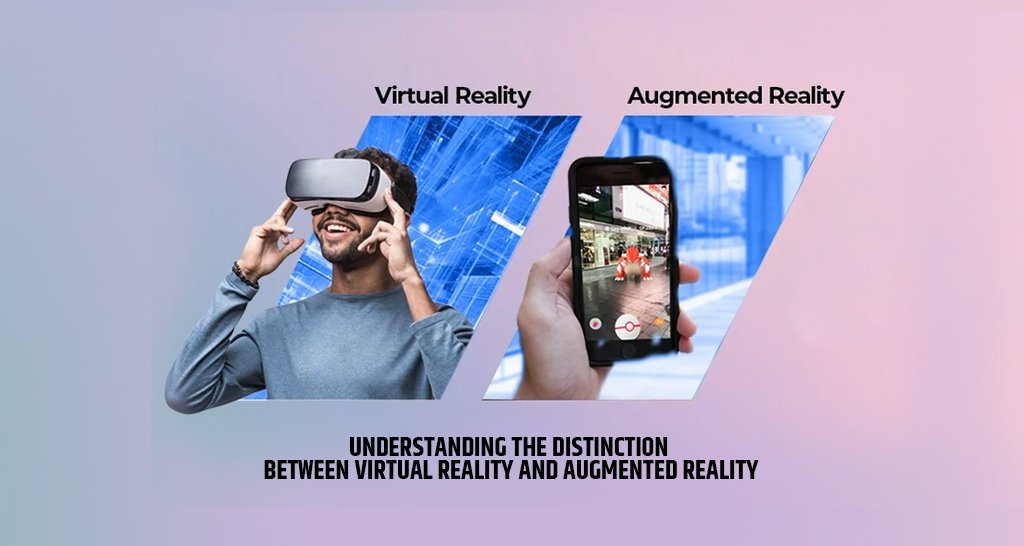
Virtual Reality involves the creation of a completely simulated, 3D environment that users can immerse themselves in. By wearing a VR headset, such as Oculus Rift, users are transported into a world that’s entirely computer-generated. This virtual environment aims to mimic the real world but is entirely fabricated. The experience is immersive, where users can see, hear, and sometimes feel the virtual world, but they lose contact with the real world.
Augmented Reality: Blending the Digital and Real World
In contrast, Augmented Reality overlays digital information onto the real world, enhancing our existing environment with additional, interactive data. AR uses real-time integration of digital content—such as images, sounds, and graphics—on top of the real world. This creates a hybrid environment where users interact with both the physical world and virtual elements simultaneously. AR can be experienced through smartphones, tablets, or AR glasses like Microsoft Hololens.
Major Differences Between AR and VR
Virtual Reality:
- Fully Immersive: VR offers a completely computer-generated world, disconnecting users from the real world.
- Hardware Requirements: Users need devices like VR glasses or headsets to access the VR experience.
- Powerful Computers: A robust computer setup is often necessary for an optimal VR experience.
- Industrial and Entertainment Uses: VR is heavily utilized in sectors like industrial training, gaming, property marketing, and more.
- Experience: Users can see, feel, and hear everything within the virtual environment.
- Content: VR includes 360-degree images, videos, and fully created 3D worlds.
Augmented Reality:
- Enhances Reality: AR improves the real world by adding interactive digital elements, with users remaining aware of their environment.
- Accessibility: AR is easier to access and can be experienced through devices like smartphones, tablets, or AR glasses.
- Real-time Interaction: AR integrates virtual elements into the real world, adding layers of interactive content.
- Versatile Applications: AR is used in games, navigation, interior design, and even technical workshops.
- No Need for Glasses: The first AR display, DEEP FRAME, presented at CES, enabled augmented reality without the need for glasses.
Conclusion: Complementary Technologies
While Virtual Reality offers a completely fabricated experience, Augmented Reality enhances our perception of the real world by adding meaningful digital information. Both technologies are powerful in their own right, with distinct advantages in different domains. Instead of seeing them as competitors, we should view them as complementary, each serving unique roles in various industries. Both AR and VR are evolving and have the potential to redefine the way we engage with the world.